

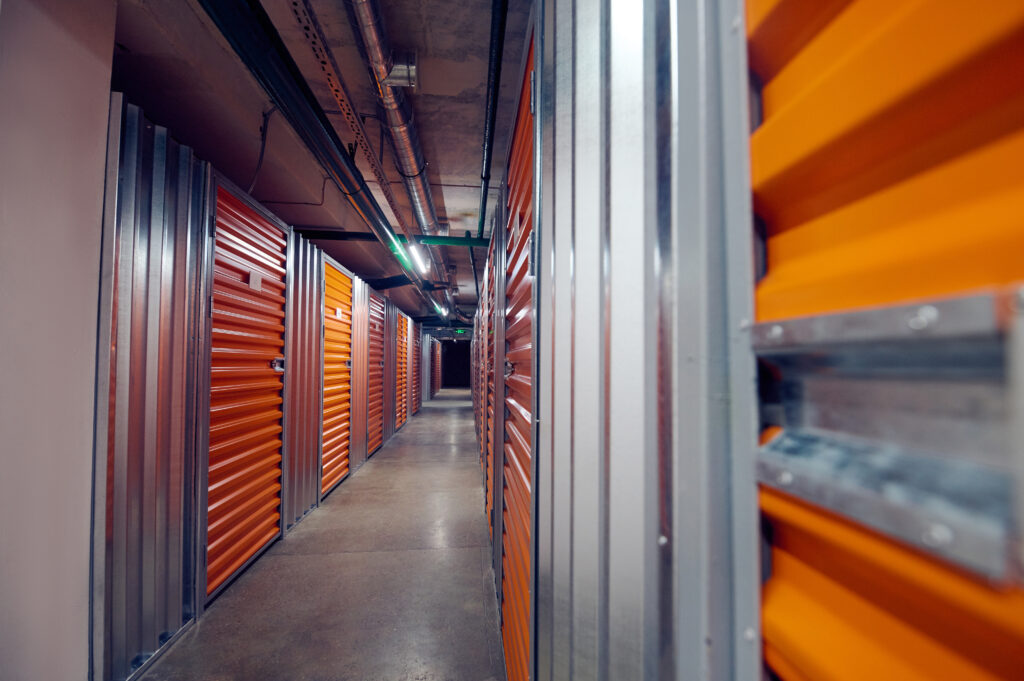
Closed modern storage boxes in warehouse

Resilience Floor Coating

The goal of every commercial or industrial facility is to improve function and efficiency without compromising safety or breaking the bank. This involves selecting the right floor coating that won’t overwhelm you with a lifetime of maintenance costs. Floor coatings play a vital role in the overall costs of a business, so you should always consider a product that doesn’t exceed installation and upfront costs.

The last thing you want is to pay thousands of dollars for the maintenance of your floors without getting the value of your investment. With that in mind, it is essential to frame floor coating selection in terms of long-term value rather than the upfront material cost. To ensure you get your money’s worth, value engineering principles should be applied to inform your final decision. This entails analyzing the upfront cost, long-term maintenance expenses, and material durability to ensure you select the most suitable floor coating for your application.

Let’s say, for example, you run a commercial kitchen and need a low-maintenance resilient floor coating. We recommend choosing a material that can withstand the potential grease spills, heavy foot traffic, and constant wear. Preferred floor coating materials for such conditions include porcelain tile and quarry tile, as both can withstand a kitchen environment and are relatively low-maintenance options. All you need to do is a simple mop and sweep after every shift. However, after comparing all factors, the most cost-effective material, initially and long-term, is quarry tile.

The goal of resilience floor coating should be long-term value rather than upfront costs. The market is full of floor coating solutions that vary in price, quality, and efficiency, making it challenging to choose the most ideal for your application. Here are long-lasting floor coating materials with lower maintenance costs.
Choosing the Right Floor Coating

While there are many more cost-effective and low-maintenance flooring options, this list contains the best solutions for commercial applications. We aim to help you get long-term value through enhanced durability and low maintenance without compromising quality.

The first step to choosing the best flooring material starts with hiring the right contractor. Our team of experts has handled many projects and learned which materials offer the best value. Leverage our extensive industry knowledge to choose flooring materials with a wide variety of applications in terms of long-term maintenance costs, initial costs, and ease of installation.

Choosing Industrial Floor Coatings

There are many different flooring materials, such as concrete, timber, marble, stone, cork, brick, and many more. Every material has varying properties, hence the need to select a suitable coating based on specific factors that guarantee low maintenance. As indicated by the list, many different industrial floor coating options are available, from resin floors, screened finished floors, surface hardeners, overlays, rubber tiles, and vinyl.

When choosing the most suitable solution for your facility, we recommend balancing serviceability and cost. Floors are an essential part of your building, and selecting the suitable coating can help you reduce maintenance costs without affecting operations, quality and durability. Here are some things you need to consider when choosing a floor coating for your facility.

.01 Is It a New or Existing Floor?

If your floors are new, a floor coating can be added during construction to save time and money. A surface hardener is applied as part of the concrete pour, creating a durable surface. For new concrete slabs, we recommend using a hard-wearing resin coating system. Create time during construction for the various resin layers to cure correctly.

On the other hand, existing floors are different, and a comprehensive inspection is required to determine the structural integrity of the slab. If signs of deterioration are detected, patching may be necessary, and joints are replaced before adding any floor coating. Widespread damage to existing floors requires removing several centimeters of the damaged concrete before resurfacing. We use surface hardeners as a “wet-on-dry” slurry to ensure the final result is solid and durable.

.02 What is the Size of the Floor?

Industrial and commercial facilities have large-scale concrete floors that demand an effective solution. Working with a professional industrial flooring contractor ensures the coating products used are suitable for large-scale applications and your facility’s needs. We account for crucial factors like foot traffic and susceptibility to abrasion, among others, to guarantee the best coating for a large building.

If your facility has small spaces, there is a range of industrial floor coatings for you, such as tiles, floor paints, or rubber matting. These options are considered economically viable or less practical for large areas and are often ideal for DIY installation. Surface hardeners are usually used in large industrial buildings but can be applied in small spaces by a specialist.

.03 How Long will the Floor Last?

Every property owner wants a floor that lasts several years before it needs replacement. Replacing a damaged floor is costly in terms of business disruption and finances. That’s why it is advisable to add a surface hardener to extend the lifespan of your concrete industrial floor. There are different types of hardeners, and we can help you choose the most suitable for your surface in terms of durability.

While manufacturers usually provide information about their industrial floor coatings, consulting a professional floor company is advisable. We have extensive industry expertise and experience to help you choose a layer guaranteed to enhance durability. Our trained contractors can help you get the best floor coating for your application for optimal durability and low maintenance costs.

.04 What is the Purpose of the Building?

Your operations will determine how hard your floor needs to be to prevent  further damage. Environmental factors are the most common threats to flooring, especially extreme temperatures, salt water, solvents, or oil. We can determine if your floors need to be dissipative, anti-static, or conducive before recommending a floor coating solution for your needs. We can help you choose the ideal coating with similar properties if an anti-skid finish is required.

There are many factors to consider depending on the purpose of the building, and our expert technicians can help you narrow your options for industrial or commercial floor coatings. We offer details on suitable applications of various surface hardener products, alleviating the subsequent repercussions of guesswork when choosing a floor coating.

.05 What’s the Likelihood of Abrasion Damage?

If your facility deals with bulky equipment, abrasion damage is great. When something heavy suddenly drops, it can cause scrapping or damage that compromises the quality of your surfaces. We understand that some industrial applications risk heavy goods, tools, or equipment being dropped on the floor. Even public buildings still risk damage from sharp heels, and warehouses are at risk of abrasion from pallets and boxes if they are dragged across the surface.

We can ensure your floor coating is abrasion-resistant by conducting a risk analysis to identify the most likely causes of abrasion damage. Suppose your facility regularly deals with materials and equipment that can damage your floors. In that case, you can rely on us to help you mitigate further damage by assessing and recommending the ideal floor coating solution for your facility.

.06 Will Vehicles Use the Floor?

A facility that experiences light pedestrian traffic and tires incurs less damage to a concrete floor than hard steel wheels. Vehicles with hard steel wheels cause premature wear to the surface, but we can help you choose a realistic floor coating that can endure such conditions. If you plan to change the use of the building in the future or the equipment used to handle various equipment, consult a flooring company for professional advice.

It is always crucial to consider the worst-case scenario when choosing an industrial floor coating solution. The last thing any property owner wants is extra costs of frequently replacing the floor coating, which can be prevented in the initial stages of selecting the ideal material for your application. Vehicles are heavy, and the wrong coating can result in frequent damage and high replacement costs.

.07 What Cleaning is Required?

Some environments demand routine cleaning to meet hygiene standards or for aesthetic purposes. Industrial and commercial facilities usually use standard industry cleaning chemicals, which can damage some floor coatings. Before installation, our professional technicians will help you choose industrial floor coating that can withstand deep cleanings and most chemicals used in the process.

The resin flooring system is not just durable but provides an easy and seamless floor to clean that doesn’t harbor germs. While rubber floor coatings are suitable for industrial facilities, not all can tolerate contact with detergents and other cleaning chemicals. Schedule routine cleanings with a reputable floor service to ensure everything is handled with the utmost care and professionalism.

.08 Do You Need to Add Color?

Regarding versatility in color, rubber flooring is guaranteed to meet your preferences and design specifications. However, rubber flooring isn’t the only option for adding color. With the recent advancements in surface hardeners, you have a wide range of standard colors and the freedom to customize your concrete floor for aesthetics.

It is crucial for business owners to understand all the aspects of how the facility will be used during its lifespan to help make the right decision when choosing industrial floor coatings. The market is full of commercial floor coating options, but without industry knowledge and expertise, you risk compromising the quality of your surfaces. Please consult our experts for professional guidance when choosing or using surface hardeners.

We are always ready

Contact Us Today

Benefits of Epoxy Resilient Floor Coating

Now that you know the different resilient industrial floor coatings and factors to consider when choosing the right product for your facility let’s look at the advantages. Sometimes the benefits of commercial or industrial floor coatings can be overlooked. However, it is proven that quality floor sealants go a long way in enhancing safety and productivity.

Poor flooring compromises daily operations and the overall function of the facility. A popular option for most businesses is Epoxy flooring because of its enhanced durability and reliability. Not to mention the low maintenance costs. Epoxy refers to a combination of resin and hardeners, which create a chemical reaction that forms a rigid plastic material.

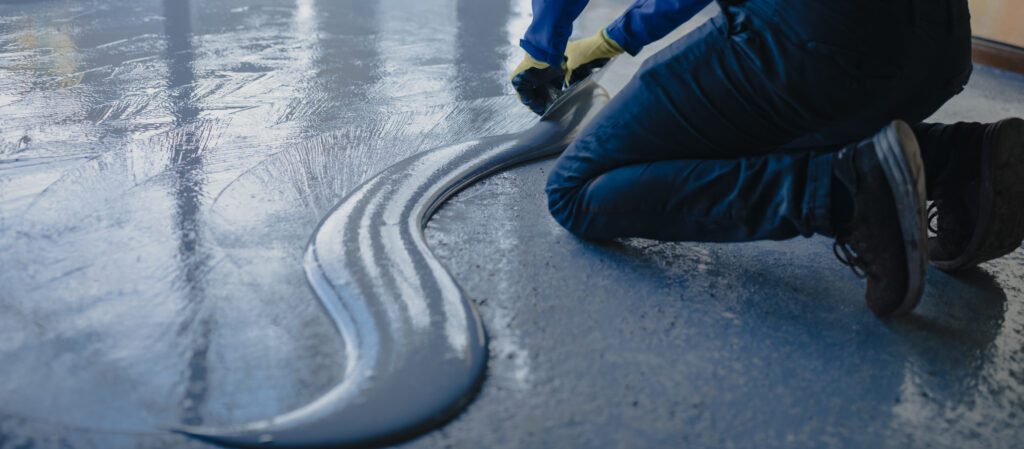
The material comprises strongly bonded cross-polymer structures that bond well with base layers to create a durable and resistant floor surface. It is usually applied in the form of liquid to concrete surfaces before it hardens and forms a wear-resistant and smooth floor. A professional should only use epoxy to ensure it bonds perfectly with the character. Here are the benefits of epoxy flooring to industrial or commercial concrete floors.

The worker applies gray epoxy resin to the new floor

Have Questions?

We’re Happy to Help!

Get In Touch